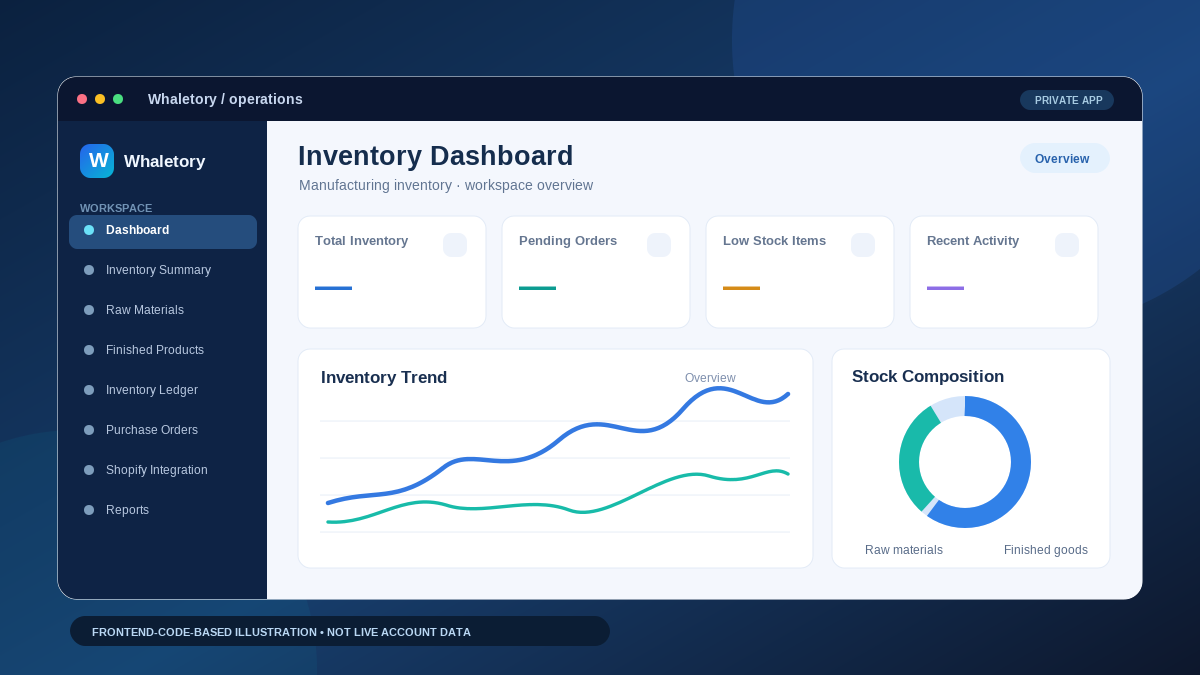
Client project · Custom headless ecommerce
ZIVAR — Headless Jewelry Ecommerce Platform
A custom jewelry shopping experience that brings expressive collections, variant-level product detail, gift discovery and a cash-on-delivery ordering journey together in one commerce platform.
Wear your moment.
Industry
Fashion jewelry · Direct-to-consumer ecommerce
ZyntraSoft role
Custom storefront, commerce API and ecommerce operations
Live example
www.zivar.shop
The business context
Premium product storytelling meets real inventory and checkout rules.
Jewelry shoppers need convincing product photography, intuitive collection discovery and accurate options, prices and stock. Behind the storefront, the business also needs dependable order capture, inventory updates and room for custom-design inquiries.
The approach
Separate the brand experience from the commerce engine.
The ZIVAR storefront is built with Next.js and React, while commerce data flows through an API layer to a PostgreSQL-backed catalog. The live site exposes curated collections, product detail pages, search, wishlist, gift discovery, custom design requests and Cash on Delivery. The source project documents server-priced checkout and inventory validation rather than relying on browser-side prices.
Product experience
Product features and delivery scope
Explore the features available in the live product and the technical context behind our project contribution.
Collection-first shopping
Browse bridal, everyday, gemstone and gift-focused collections with featured products and product-specific detail pages.
Variant-aware product catalog
Commerce data models sellable options, variant SKUs, stock, prices and product imagery so customers can evaluate the specific piece they are buying.
Search, wishlist and gift discovery
Live catalog search, a device-local wishlist and a gift-finder route help visitors move from inspiration to a relevant product.
Cash on Delivery checkout
The implemented flow collects shipping and contact information, prices the order server-side and uses inventory checks for COD order creation.
Custom design requests
A bespoke jewelry inquiry path collects commission requests for review in the separate commerce admin/CRM workspace.
Separate operations workspace
The architecture separates customer-facing design from catalog, inventory, order and customer-management workflows in the admin system.
Visual evidence & design presentation
Explore the project in detail
Original imagery sourced from the client’s live public product. Visual layouts on this page are editorial presentations, not pixel-perfect website screenshots.
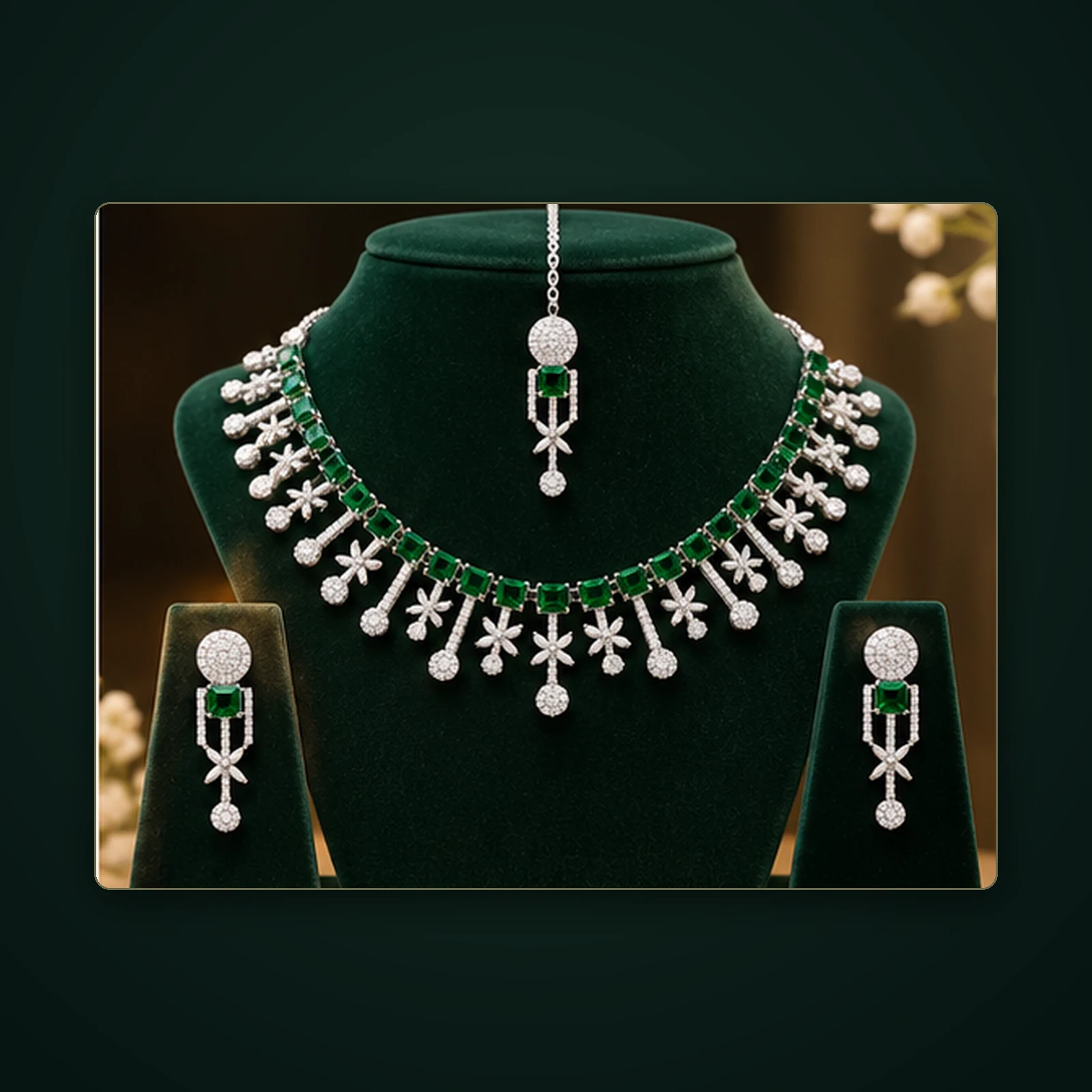
Original public product mediaZIVAR featured jewelry set
Original Green Aura jewelry set photography from the public ZIVAR storefront, used to introduce the collection-led shopping experience.
View original public source ↗ Original public product media
ZIVAR collection presentation
Original public collection imagery supporting category discovery and the visual merchandising story.
View original public source ↗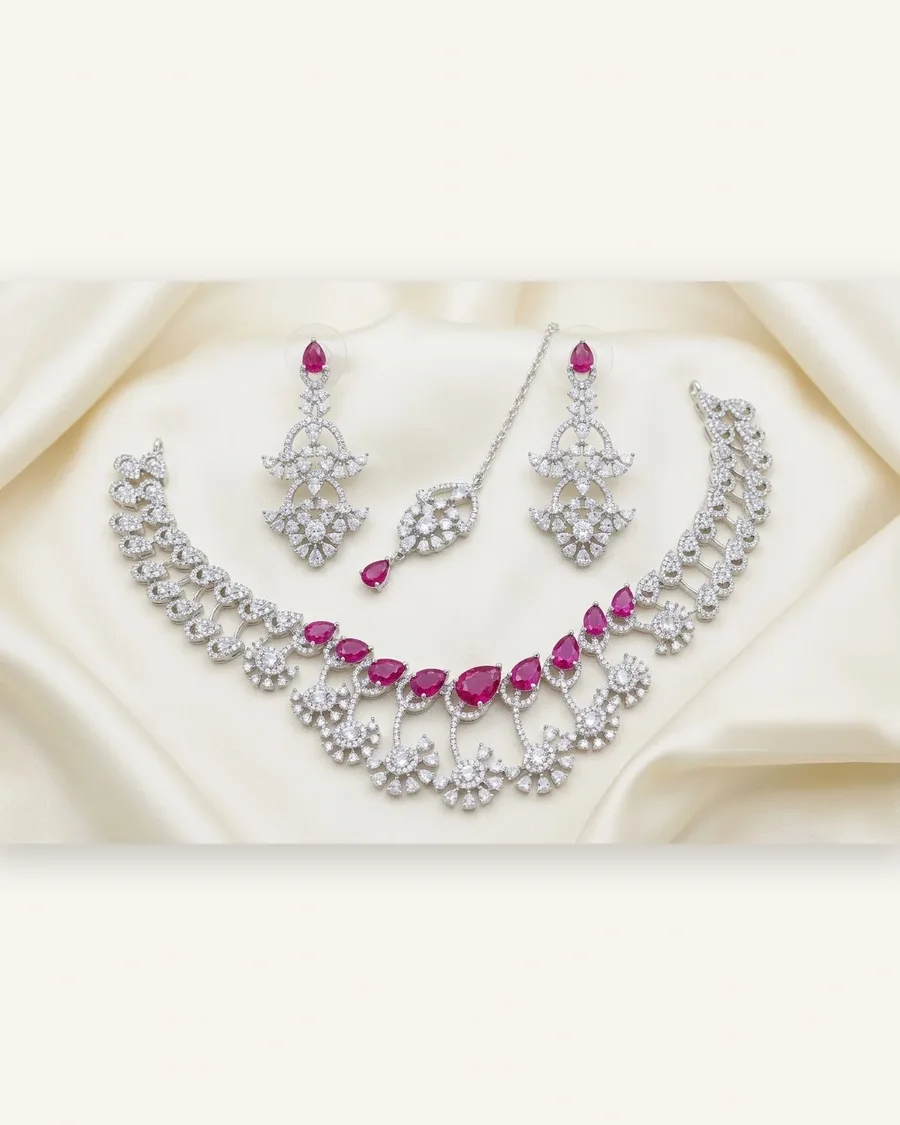 Original public product media
Catalog product photography
Original public ZIVAR product-card image demonstrating responsive catalog media, not a screenshot of checkout or admin data.
View original public source ↗Product journey
How the experience fits together
Discover
Enter through a collection, product search, jewelry set or gift-discovery route.
Choose
Review product media, variant options, price and availability; save favorites or add a selection to the cart.
Place an order
Submit a Cash on Delivery checkout through the commerce API, with server-managed order and inventory rules.
Manage
Commerce administration handles orders, product updates, inventory and customer follow-up separately from storefront presentation.
Under the hood · Engineering and architecture
Headless jewelry commerce: Next.js storefront, API-led checkout and unified product data
ZIVAR uses a custom Next.js 16 and React 19 storefront rather than a templated Shopify theme. Project source documents a separate NestJS/Fastify commerce API, Supabase PostgreSQL, Cloudflare R2 product media and a distinct admin/CRM application. The architecture keeps presentation independent from catalog, inventory, orders and commission requests. Publicly visible features include collections, product pages, live search, wishlist, gifts and Cash on Delivery.
01 / Technology stack
What powers the experience
A closer look at the tools, interfaces and engineering choices behind the implementation.
Custom storefront and rendering
Next.js 16 · React 19 · TypeScript · Vercel
The dedicated storefront repository identifies Next.js and React versions and a deployment on Vercel. The web app renders brand-led collection and product journeys, searchable catalog content, and customer-facing checkout states.
Commerce application layer
NestJS · Fastify · REST API · Render
The documented API is the boundary between the browser and commerce records. Product discovery, server-side checkout pricing, COD order creation and inventory checks are described as API-owned business workflows, not client-side rules.
Persistent commerce data
Supabase · PostgreSQL · Product, variant and order records
The project architecture uses a canonical PostgreSQL-backed catalog. Sellable variants have their own SKU, price and stock, while order capture and stock updates are processed through server-side operations.
Jewelry media and responsive assets
Cloudflare R2 · Product imagery · Responsive renditions
Public collection and product images are delivered from Cloudflare R2 URLs. The separate admin project describes a master-image and rendition model for product cards, detail views, hero media and zoom.
Storefront discovery features
Live search · Curated collections · Wishlist · Gift Finder
The live interface provides category and collection entry points, catalog search, saved items, gift discovery, product detail and jewelry-set navigation, keeping the search-to-product path short.
Commerce management and CRM separation
Dedicated admin · Inventory · Orders · Customers · Custom requests
The connected admin repository describes catalog, product options, inventory, orders, fulfillment, customer notes and commission-management modules. These are source-documented operations, not screenshots of private customer data.
02 / System architecture
How the layers connect
A functional map based on the visible product journey and team-provided scope, not a representation of undisclosed source modules or database schemas.
Customer experience
Next.js/React on Vercel renders collections, product details, search, saved items and checkout.
Commerce API
NestJS/Fastify service handles storefront reads and business-sensitive order requests.
Canonical data
Supabase PostgreSQL holds product/variant records, prices, stock and order state.
Product media
Cloudflare R2 serves the public media and responsive image renditions.
Operations
Separate admin/CRM workflows manage catalog changes, commissions and the order lifecycle.
03 / Engineering decisions
The hard parts worth understanding
Keep price and stock trustworthy
A browser cart cannot be the source of truth for final price or availability. The architecture calls for server-priced checkout sessions, stock revalidation and atomic Cash on Delivery order creation.
Model sellable jewelry options
Variant-level SKU, price and stock need to stay distinct from visual product-media combinations, so changing size, stone or metal can be represented without duplicating unrelated photography.
Preserve brand control without coupling admin to presentation
The admin manages semantic product and commerce data while the storefront renders its own layout. This allows merchandising and shopping experience changes without redesigning the underlying data model.
04 / Delivery responsibilities
Frontend, systems and release
1 · Storefront build
Custom Next.js and React customer experience with collections, product pages, search, wishlist, gift exploration and responsive product media.
2 · Commerce integration
Documented connection to the NestJS/Fastify API and Supabase-backed commerce data, including COD order processing and inventory checks.
3 · Admin and release
Separate commerce administration for products, variants, stock, orders, customers and commissions, with storefront deployment on Vercel and API hosting on Render.
05 / Integrations and APIs
Connected systems
The storefront communicates with its commerce API rather than exposing direct database credentials. Project sources describe Supabase PostgreSQL for canonical data, Cloudflare R2 for product imagery and a separate admin/CRM workspace. External payment gateways, WhatsApp, Meta catalog publishing and email delivery are not claimed as live integrations.
06 / Hosting and deployment
From implementation to live product
The production storefront is reachable at www.zivar.shop and its connected Vercel project uses Next.js. The project documentation identifies the commerce API on Render and the canonical database on Supabase. Internal release pipelines and operational service-level targets are not represented as audited here.
07 / Technical evidence
What we can show today
Stack and integration claims are grounded in connected project repositories and the public site. The admin README includes planned and mock-data modules; this case study does not imply that every planned integration or dashboard feature is production-complete. No conversion, revenue or security-audit metrics are claimed.
Build something similar
Need a solution like this for your business?
Tell us the business process, integrations and delivery constraints. We can scope the implementation, agree on milestones and define how success will be measured.
Service area: Software & product engineering