Client project · Shopify storefront
Brook & Bloom — Jewelry Shopify Store
A collection-first jewelry shopping experience designed to help visitors discover products, compare variants and move from inspiration to checkout.

Everyday, elevated.
Industry
Fashion jewelry · Direct-to-consumer
ZyntraSoft role
Shopify store development
Live example
brookbloom.com
The business context
One catalog, many shopping journeys.
Jewelry buyers approach a store by category, styling preference, material or gift occasion. A storefront needs to make products discoverable while keeping the path to a relevant item short.
The approach
Make discovery feel effortless.
The public Shopify storefront presents a broad category navigation, best-seller collections, dedicated product pages, variants, sale messaging and a cart drawer. These are visible product surfaces; individual implementation ownership has not been independently verified.
Product experience
Product features and delivery scope
Explore the features available in the live product and the technical context behind our project contribution.
Category-driven navigation
Separate shopping routes for earrings, necklaces, bracelets, rings and subcollections.
Merchandising and promotions
Live home-page campaigns, featured collections, product badges and compare-at pricing.
Product variants
Shoppers can see available color options and detailed product photography.
Shopify purchase journey
Product pages, a cart drawer and customer-account links keep commerce inside the Shopify ecosystem.
Visual evidence & design presentation
Explore the project in detail
Original imagery sourced from the client’s live public product. Visual layouts on this page are editorial presentations, not pixel-perfect website screenshots.
Original public product mediaCurrent homepage campaign imagery
Brand-owned hero imagery currently used on the live jewelry storefront.
View original public source ↗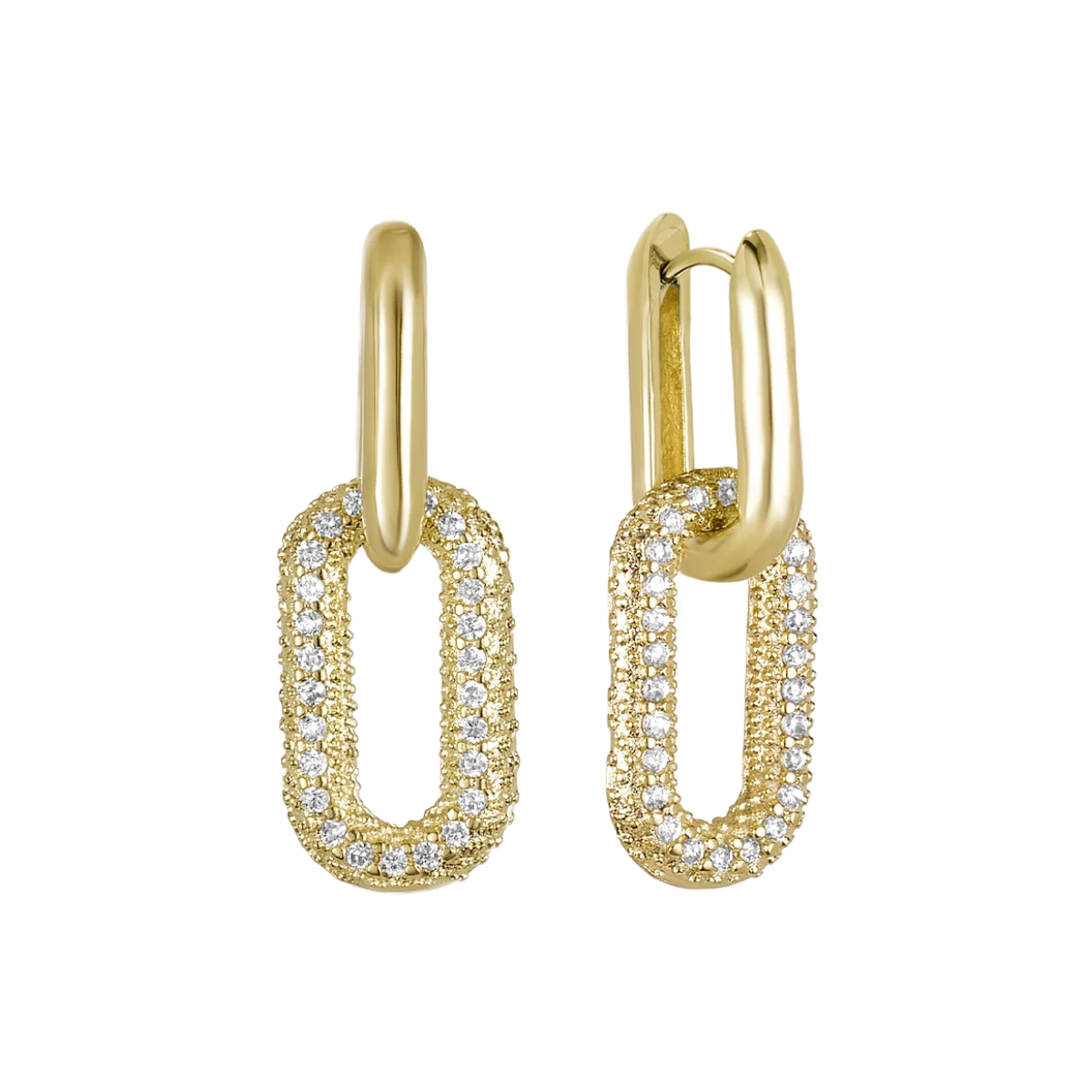 Original public product media
Product discovery and merchandising
A product image visible in the best-seller collection and Vanessa Earrings details.
View original public source ↗ Original public product media
Jewelry detail imagery
Live public image from the product gallery; not a dashboard screenshot.
View original public source ↗Product journey
How the experience fits together
Discover
Enter through a category, new promotion or best-seller collection.
Evaluate
Review material, imagery, pricing and variant options.
Continue to checkout
Add an item to the cart and proceed through Shopify shopping flow.
Under the hood · Engineering and architecture
Shopify storefront architecture, merchandise discovery and product journeys
Brook & Bloom is a live, category-rich Shopify jewelry store. The observable implementation combines Shopify storefront rendering, collection and product routes, variant selection, promotional merchandising and platform-backed cart/customer flows. The ZyntraSoft team reports Shopify development work; the public HTML confirms the platform, but individual theme modifications and private merchant services cannot be attributed without code access.
01 / Technology stack
What powers the experience
A closer look at the tools, interfaces and engineering choices behind the implementation.
Shopify commerce platform
Shopify · Storefront catalog · Product and collection routes
The store uses Shopify-native product URLs, collection pages, product/variant records and a Shopify storefront. Shopify supplies the underlying commerce abstractions for catalog and cart operations; the storefront controls how those records are presented to shoppers.
Theme and presentation layer
Shopify theme · Liquid-driven rendering · HTML, CSS, JavaScript
The page source contains Shopify theme markers. Shopify themes use Liquid templates and browser-side styling/scripting to assemble storefront sections. The exact modified theme files, JavaScript components and work allocation are not exposed by the public page.
Collection navigation and discovery
Collections · Category taxonomy · Search · Product cards
The menu exposes earrings, necklaces, bracelets and rings with further subcategories; collection routes provide curated discovery. A shopper can move from broad navigation into best-selling products without knowing an exact item name.
Variant-aware product experience
Shopify variants · Product media · Cart drawer
The Vanessa Earrings detail page exposes distinct color-variant URLs and multiple photographs. Product selection ultimately connects a merchandise option with the cart journey; the private checkout configuration and fulfillment systems are not assessed.
Merchandising and promotion layer
Homepage sections · Promotion banners · Compare-at pricing
Public product pages and homepage campaigns show offers, best-seller placement and comparative pricing. These are commerce presentation features, not evidence that a particular discount engine or growth experiment was built by our team.
Reported Shopify development involvement
Shopify store development
The team identifies this as a Shopify delivery project. Exact implementation tickets—such as custom sections, third-party apps, theme migration or checkout extensibility—were not supplied, so this page does not claim them as verified deliverables.
02 / System architecture
How the layers connect
A functional map based on the visible product journey and team-provided scope, not a representation of undisclosed source modules or database schemas.
Visitor interface
Responsive theme sections, collection navigation and storefront campaign entry points.
Storefront rendering
Shopify theme/Liquid renders catalog-driven product, collection and information pages.
Product selection
Individual product pages present images, descriptive content, pricing and available variants.
Commerce platform
Shopify supports cart, customer account and checkout capabilities behind the public shopping experience.
Operations
Merchant-managed products, prices, promotions and inventory drive storefront content; specific back-office integrations were not audited.
03 / Engineering decisions
The hard parts worth understanding
Large catalog without a confusing navigation tree
The current information architecture splits the assortment by product class and finer subcollection. This illustrates the engineering/design requirement to make menus, collection pages and links work as one discovery system.
Present multiple variants without splitting the product identity
Variant-specific routes and product media let a shopper assess an item while selecting options. The critical technical consideration is synchronization between the selected variant, its price and the cart item.
Make campaigns editable while retaining catalog consistency
Promotional banners, sale prices and featured products depend on merchant data and storefront presentation staying aligned. No increase in conversion or revenue is inferred from the presence of offers.
04 / Delivery responsibilities
Frontend, systems and release
1 · Frontend
Shopify storefront design/theme implementation and merchandising presentation are the team-reported work area; exact theme diffs remain to be documented.
2 · Commerce
Publicly visible category structure, product pages, variants, shop search, customer login and cart entry points provide a live walkthrough of the storefront.
3 · Quality assurance
A professional release checklist would cover desktop/mobile discovery, variant switching, cart states, image loading and invalid/retired product links. These are recommended checks, not a completed testing report.
05 / Integrations and APIs
Connected systems
The observed integration is the Shopify commerce platform itself. This page does not assert a specific email marketing app, ERP, fulfillment provider, payment customization or third-party CRM integration without supporting evidence.
06 / Hosting and deployment
From implementation to live product
The live site is publicly served through a Shopify storefront, with product imagery delivered through Shopify CDN URLs. Source control practices, theme release process, staging strategy and performance scores were not provided and are not guessed.
07 / Technical evidence
What we can show today
Shopify/Liquid storefront technology and product flows were verified from the public HTML. Store customizations attributable to ZyntraSoft are team-reported. Conversion metrics, merchant back-office configuration and the exact changed files are not independently verified.
Build something similar
Need a solution like this for your business?
Tell us the business process, integrations and delivery constraints. We can scope the implementation, agree on milestones and define how success will be measured.
Service area: Shopify & ecommerce